
Common Appliance Problems in Quincy Homes
When a washing machine starts leaking in the basement of an older multifamily home in Quincy Point, the water has nowhere good to go. The floor drain may be slow, the shutoff valve behind the unit may be corroded, and the tenant upstairs has no idea anything is wrong until the ceiling stains. That kind of scenario is common across Quincy's mixed housing stock — and it is one reason why fast, accurate diagnosis matters more than a quick guess.
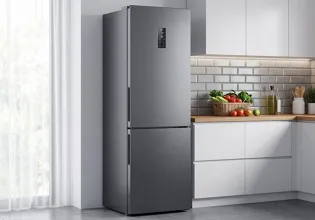
- Refrigerators that stop cooling often have a failed evaporator fan or a condenser packed with dust, especially in kitchens where the fridge is wedged into a tight alcove with almost no airflow behind it.
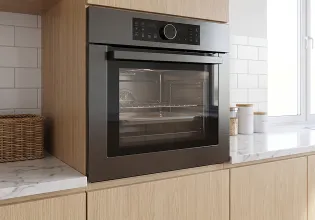
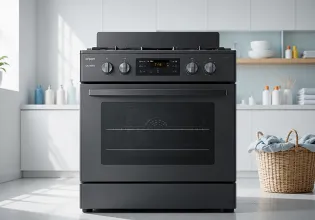
- Gas stoves and ovens that won't ignite — we usually see a clogged igniter or a faulty safety valve. In older Quincy homes, the gas flex connector may also be showing its age.
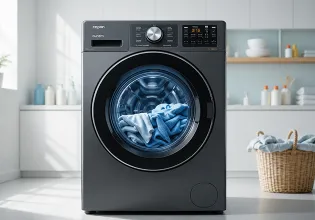
- Washers that won't drain properly. Often the cause is a clogged pump filter, but in buildings with shared laundry hookups the drain standpipe itself can back up.
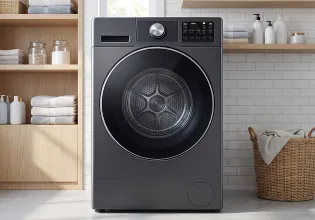
- Dryers running a full cycle without getting clothes dry. Worth checking the vent run first — in many Quincy homes the dryer sits in a basement and the vent snakes through a wall or up a floor before reaching the outside.
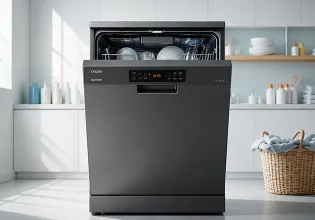
- Dishwashers leaving dishes dirty or standing water in the tub. A worn wash motor, a stuck check valve, or a kinked drain hose under the cabinet are the usual culprits.
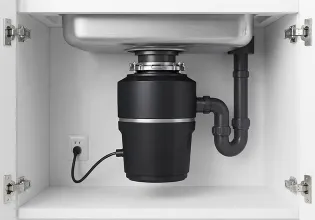
- Garbage disposals that hum but don't spin — usually jammed. Sometimes a hard object drops in; sometimes the bearings are worn out after years of use.
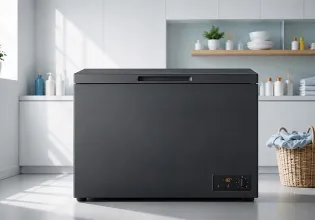
- Freezers building up heavy frost or warming above safe temperature, which can mean a failed defrost heater or a door gasket that no longer seals.
Local Utility, Permit, Safety, and Disposal Factors in Quincy
If you are replacing a gas range in Quincy, you cannot simply swap the old unit for a new one and call it done. The installer has to pull a gas permit through Quincy Inspectional Services before the work begins. The same applies to electrical permits when a new appliance needs a dedicated circuit — say, hardwiring a built-in wall oven or adding a 240-volt outlet for an electric dryer. Plumbing permits come into play when dishwasher or washing machine connections involve new supply lines or drain tie-ins. Before you hire anyone, ask whether they plan to pull the required permit. If they hesitate, that is a red flag.
Under the Massachusetts plumbing and gas fitting code, only licensed plumbers and gas fitters can legally connect gas lines for stoves, ovens, and dryers. This is state law, not a suggestion. It applies in Quincy the same as anywhere else in Massachusetts, and it means the handyman who offers to hook up your new gas dryer for a discount is not doing it legally.
City of Quincy Inspectional Services
1305 Hancock Street
Quincy, MA 02169
Phone: (617) 376-1090
Official Website
Gas appliance installations also trigger a fire prevention inspection. The Quincy Fire Department Fire Prevention Bureau enforces the Massachusetts State Fire Code, which sets requirements for venting clearances and proper installation of fuel-burning equipment. If you have a gas range, gas dryer, or any other fuel-burning appliance in your home, Massachusetts law requires working carbon monoxide detectors. Check them. A malfunctioning gas oven with a cracked heat exchanger or a dryer with a blocked vent can push CO into your living space without any visible warning.
Quincy's drinking water comes through the MWRA water and sewer service system, sourced from the Quabbin and Wachusett reservoirs. Water pressure in Quincy is governed by MWRA regional infrastructure, and pressure variations can affect how dishwashers fill, how washing machines cycle, and how ice makers perform. If your dishwasher seems to take forever to fill or your washer is not rinsing well, the issue may not be the appliance — it could be a partially closed supply valve or pressure fluctuation in the building. In older multifamily properties, shared supply lines can drop pressure noticeably when multiple units run water at the same time.
Quincy's sewer system also connects to the MWRA regional network. For appliances that drain — washers, dishwashers, disposals — that means the drain connections need to comply with plumbing code and handle the flow without backing up into the unit or the floor. In older homes, cast-iron drain pipes may be corroded internally, slowing drainage even when the appliance itself is fine.
What Makes Appliance Repair in Quincy Different
Quincy sits just south of Boston but runs its own permitting through Inspectional Services on Hancock Street, its own fire prevention inspections through the Fire Prevention Bureau on Sea Street, and its own bulk appliance pickup through the DPW on Sea Street. A technician who works across the South Shore cannot assume Quincy follows the same workflow as Braintree or Weymouth — the permit offices, disposal scheduling, and inspection requirements are city-specific. When a gas dryer replacement in a Wollaston condo needs a gas permit, a fire prevention sign-off, and a scheduled DPW pickup for the old unit, those are three separate city contacts, not one phone call.
The housing itself adds complexity. Quincy has everything from newer condo towers near the Red Line stations to century-old triple-deckers in Germantown and single-family cottages out on the Houghs Neck peninsula. A refrigerator swap in a third-floor walkup with a narrow stairwell is a different job than the same swap in a ranch house with a side door off the driveway. The mix of apartments, condos, older homes, and multifamily buildings means a repair technician working across Quincy's ten neighborhoods has to adapt to different electrical panels, plumbing layouts, and access constraints on nearly every call.
Appliance Replacement and Household Equipment Considerations in Quincy
When a repair no longer makes sense — the compressor is shot, the drum bearings are gone, or the control board costs more than a new machine — the next steps in Quincy involve more than just ordering a replacement. You cannot drag a dead refrigerator or washing machine to the curb on trash day and expect it to disappear. The city requires residents to schedule bulk item pickups through the Quincy bulk item collection program run by the Department of Public Works. Large appliances including refrigerators, freezers, washers, dryers, and dishwashers are accepted, but you have to call ahead. Freon-containing appliances like refrigerators and freezers need special handling before the city will take them, so plan accordingly.
If the new appliance runs on gas — a range, an oven, a dryer — the installer needs to pull a gas permit through Inspectional Services before connecting it. Electrical permits apply when the installation involves a new circuit or a hardwired connection. For a dishwasher or washing machine replacement that changes the water supply or drain routing, a plumbing permit is required. Ask your installer to confirm they have the right permits before the work starts. It saves you from problems during a future home sale or inspection.
Massachusetts consumer protection law under Chapter 93A also applies to appliance repair and installation transactions. If a contractor charges for work not performed, misrepresents what was done, or uses deceptive pricing, you can file a complaint with the Attorney General's office. Qualifying violations can result in up to triple damages. Keep your receipts and any written estimates.
City of Quincy Department of Public Works
55 Sea Street
Quincy, MA 02169
Phone: (617) 376-1900
Official Website
Areas We Serve Throughout Quincy
The city officially recognizes ten distinct neighborhoods, and we work in all of them. Here is what we typically encounter across the city:
- North Quincy — Dense and transit-accessible, with a heavy mix of condos and apartment buildings. Elevator reservations and tight hallways are common when moving large appliances in or out.
- Quincy Center — A blend of older multifamily homes and newer development near the Red Line. Gas ranges are common in the older buildings, and many kitchens have limited counter clearance around the stove.
- Wollaston — Mostly residential with a mix of single-family and two-family homes. Dryers here often vent through basement walls, and long vent runs collect lint faster than homeowners expect.
- Houghs Neck — A peninsula neighborhood with predominantly older single-family homes. We often see aging appliances still running on original wiring, and the breaker panels in some of these houses have limited spare capacity.
- Squantum — Another peninsula area with older housing stock. Access can be tight on narrow lots, and basement laundry setups with decades-old drain plumbing are the norm.
- Quincy Point — A mix of multifamily properties and smaller homes. Shared laundry hookups in two- and three-family buildings mean one slow drain can affect multiple units.
- Germantown — Known for its triple-deckers and older multifamily buildings. Getting a full-size refrigerator up a steep, narrow staircase to a third-floor unit usually requires removing doors from their hinges.
- Adams Shore — Waterfront area with a seasonal feel and a mix of smaller homes. Humidity from the coast can accelerate corrosion on condenser coils and electrical connections.
- Merrymount — Residential neighborhood with a range of housing ages. Gas appliance service calls here often involve older flexible connectors that should be checked during any repair visit.
- Montclair — Largely single-family homes on hilly terrain. Delivery and removal of large appliances sometimes requires creative maneuvering around sloped driveways and side entries.